Learn to actually speak English
Practical guides and honest essays for people who understand English but want to speak it fluently, naturally and without freezing up.
 AI Practice
How to Practice English Speaking With AI: The 2026 Guide
AI finally makes it possible to have a real English conversation any time you want — no scheduling, no judgement. Here's how to practise with it properly, and the mistakes to avoid.
 Strategy
How to Become Fluent in English in 3 Months (Realistic Plan)
An honest month-by-month roadmap to conversational fluency — what to do in Month 1, 2 and 3, and the daily habit that makes it work.
 Conversation
How to Make Small Talk in English (Openers & Topics)
Safe openers, topics that never run dry, and a graceful exit — the formula for easy small talk with people you've just met.
 Travel English
Essential English Phrases for Travel (With Examples)
A situation-by-situation phrase bank for airports, hotels, taxis and restaurants — plus the two lines that save every traveller.
 Pronunciation
How to Pronounce R and L in English (Minimal Pairs)
The tongue positions that separate R from L, minimal-pair drills like right/light and fry/fly, and a daily routine to fix them.
 Fluency
How to Stop Saying Um: Filler Words in English
Why we say "um" and "like", why the silent pause beats them, and practical drills to reduce the ones that undercut your fluency.
 Workplace English
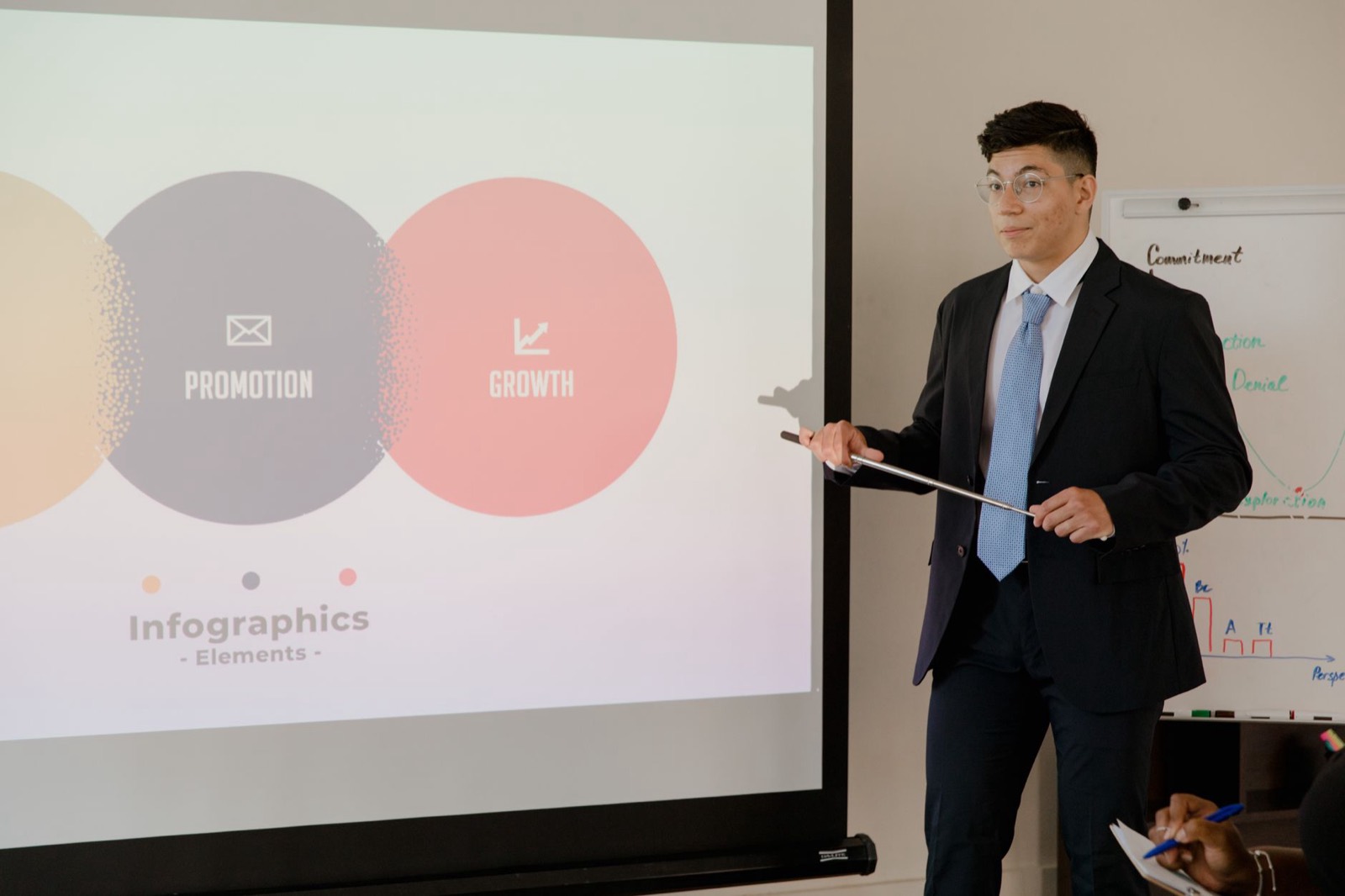
How to Give a Presentation in English (Non-Native Guide)
Structure it, script your open and close, control your pace, and handle Q&A — with ready phrases for presenting in English.
 Workplace English
Customer Service English: Phrases to Sound Professional
A ready phrase bank for support, calls and front-desk work — greet, empathise, say no gently, and close warmly.
 Pronunciation
V vs W and the TH Sounds: English Pronunciation Fixes
Exact mouth positions and minimal-pair drills to finally fix V vs W and both TH sounds in English.
 Fluency Report
How an AI English Fluency Report Works (And How to Use It)
What a report measures after a call — grammar, pace, fillers, a CEFR estimate — and how to turn each metric into practice.
 Reference
English Speaking Pace: What Words-Per-Minute Reveals
How fast should you speak English? What WPM reveals, why too fast or too slow both hurt, and how to fix your pace.
 Practice
How to Practice English Speaking Alone (No Partner Needed)
Eight ways to practise speaking at home — shadowing, self-talk, recording, AI — and the habit that ties them together.
 IELTS
IELTSIELTS Speaking Practice at Home: A Complete Guide
The 3 parts, the 4 scoring criteria, sample cue cards, and a daily routine to lift your band — no tutor needed.
 Pronunciation
The Schwa Sound: The Most Important Vowel in English
One lazy uh is the most common sound in English — where it hides and how using it makes you sound natural.
 Vocabulary
How to Build English Vocabulary for Speaking (Active vs Passive)
Turn the words you recognise into words you can actually say — plus how many you really need to be fluent.
 Comparison
AI English Tutor vs a Human Tutor: An Honest Comparison
Cost, availability, feedback, results — and how to combine both to actually start speaking.
 Workplace English
How to Speak Up in English Meetings (and Be Heard)
Claim your turn, interrupt politely, and get your point across — with ready-to-use phrases.
 Workplace English
English for Phone & Video Calls: Sound Clear and Confident
No lip-reading, no body language — here is how to be understood on calls anyway.
 Pronunciation
Shadowing: The Fastest Way to Improve English Speaking
The listen-and-echo drill that fixes your rhythm, stress, and accent — done right.
 Fluency
Why Do I Sound Monotone in English? (Fix Your Intonation)
Flat delivery is a rhythm-and-pitch problem, not a vocabulary one. Add the music.
 Conversation
How to Keep an English Conversation Going
The answer + detail + question pattern — and what to say when your mind goes blank.
 Interview English
How to Answer “Tell Me About Yourself” in English
The question that opens almost every interview — and the one people flub most. A present–past–future formula with example answers.
 Assessment
How to Test Your Spoken English Level for Free
Most level tests only check grammar. Here's how to test your speaking — free — and get a CEFR level and IELTS-band estimate in about ten minutes.
 Fluency
Why Do I Forget English Words When Speaking?
You know the word — then it vanishes mid-sentence. It's retrieval failure, not low vocabulary. Seven fixes that actually work.
 Fluency
How to Stop Translating in Your Head and Think in English
Building sentences in your language and translating them keeps you a step behind. Six ways to start thinking directly in English.
 Interview English
How to Improve Your Spoken English for Job Interviews
Interview English is a small, predictable set of questions — which means you can prepare and win it. Common questions, phone & panel rounds, and a 2-week plan.
 Pronunciation
How to Reduce Mother Tongue Influence (MTI) in English
Why people ask you to repeat yourself even when your grammar is perfect — the specific sounds to target, and daily drills to fix them.
 Speaking
How to Speak English Fluently and Confidently: 12 Tips
Fluency isn't about a bigger vocabulary — it's about how you use what you already know. Twelve tips that target the real bottleneck.
 Speaking
I Understand English But Can't Speak — How to Fix It
If you follow films and articles easily but freeze in conversation, you don't have a knowledge gap. You have an output gap — and it's fixable.
 Mindset
How to Overcome the Fear of Speaking English
The fear of sounding stupid keeps more learners silent than any grammar rule ever could. Here's how to get past it, step by step.
 Reference
CEFR English Levels Explained: A1 to C2
What A1, B2 and C1 actually mean, how they map to IELTS, and how to figure out your own level in ten minutes.
 Practice
Daily English Speaking Practice: A 15-Minute Routine
Consistency beats intensity. A simple 15-minute daily routine you can actually keep — with or without a partner.
 Conversation
How to Introduce Yourself in English (With Examples)
A ready-to-use framework for introducing yourself — in interviews, at work, and socially — plus example scripts you can adapt.
Reading about it helps. Speaking it is what works.
Have your first real English conversation with a Vora tutor today.